Botanical Dye Library
A digital herbarium of natural pigments and their botanical sources
Specimen Catalog
Each entry in our library represents a comprehensive study of plant-based color sources, documenting their extraction methods, color properties, and cultural significance.
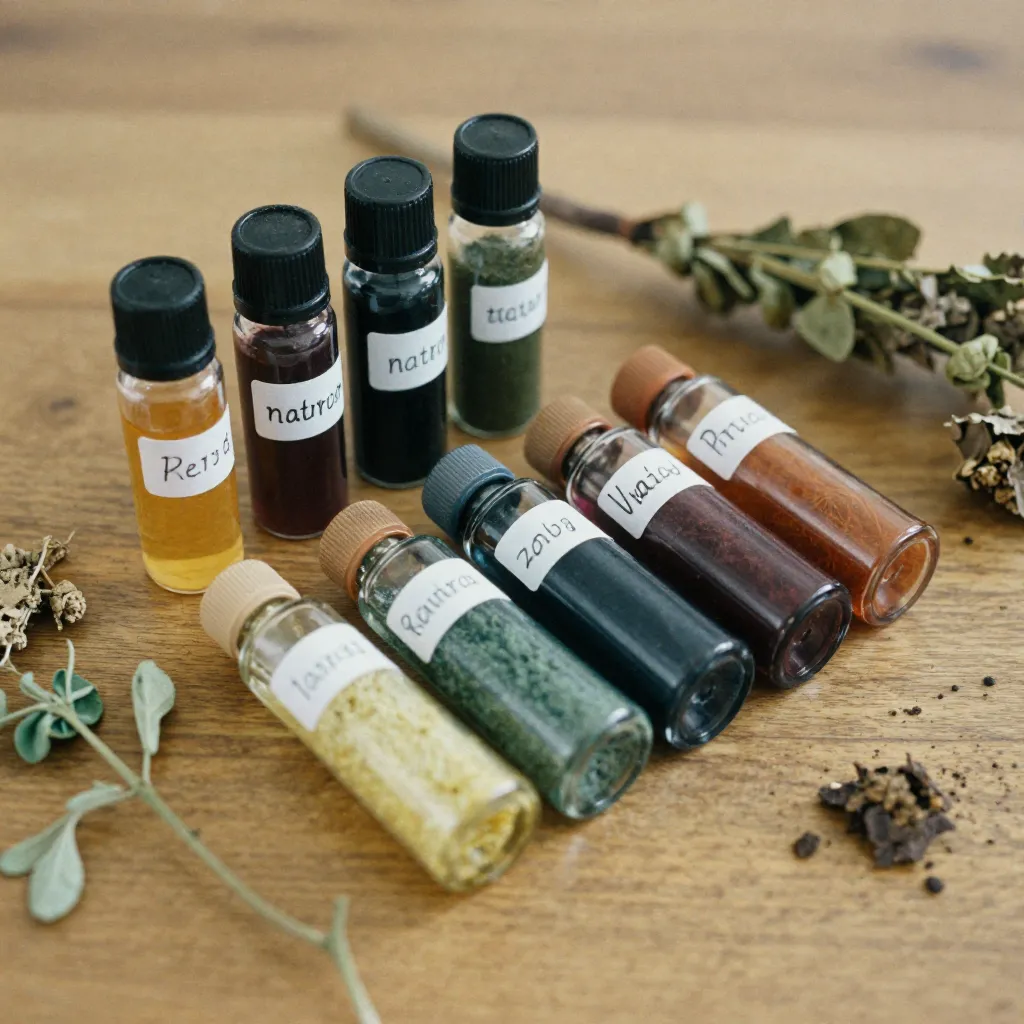
Rubia tinctorum
Traditional extraction through simmering produces rich reds used historically in textiles and manuscripts. The active compound alizarin creates colors that deepen with age. Used in medieval Europe and Asia for fabric dyeing.
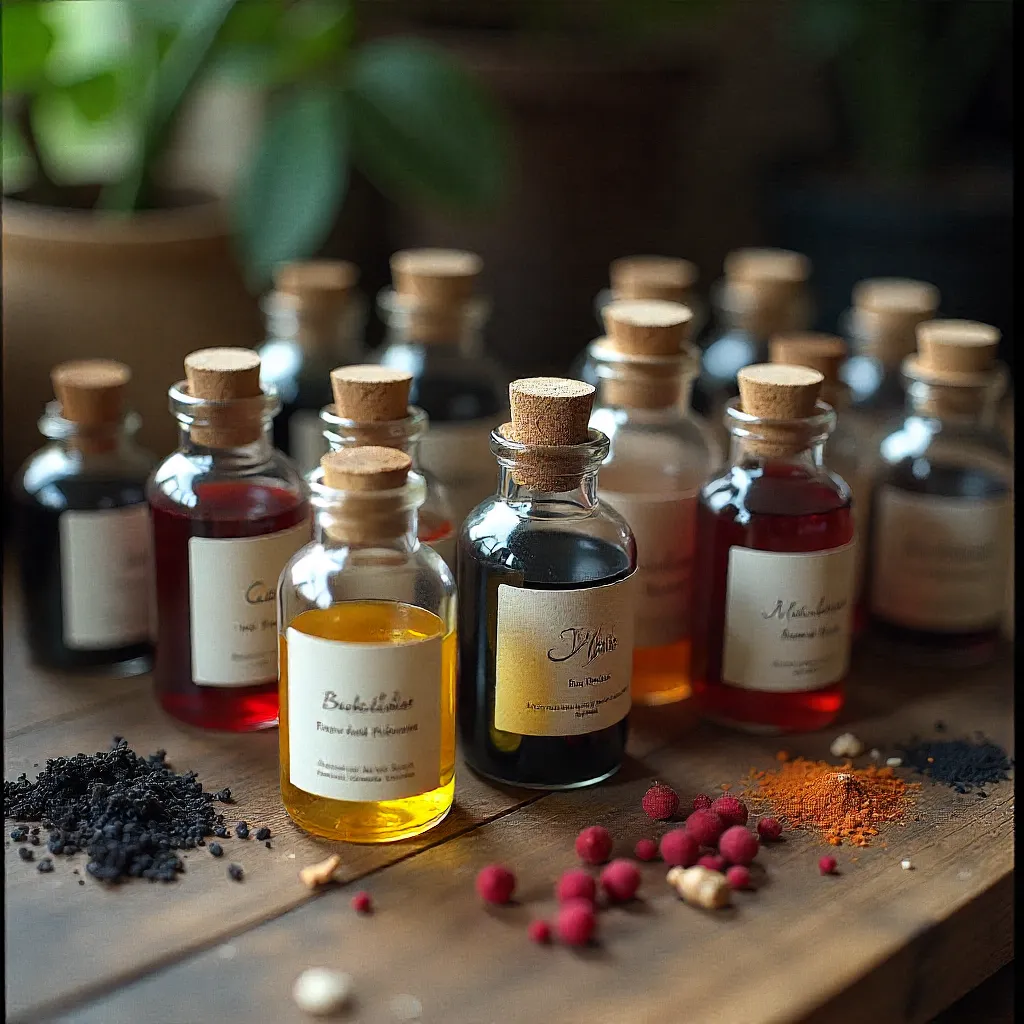
Indigofera tinctoria
Requires fermentation to extract indican, which oxidizes to indigo blue. Historically traded along ancient routes connecting Asia, Africa, and Europe. The color develops through oxidation after dipping.
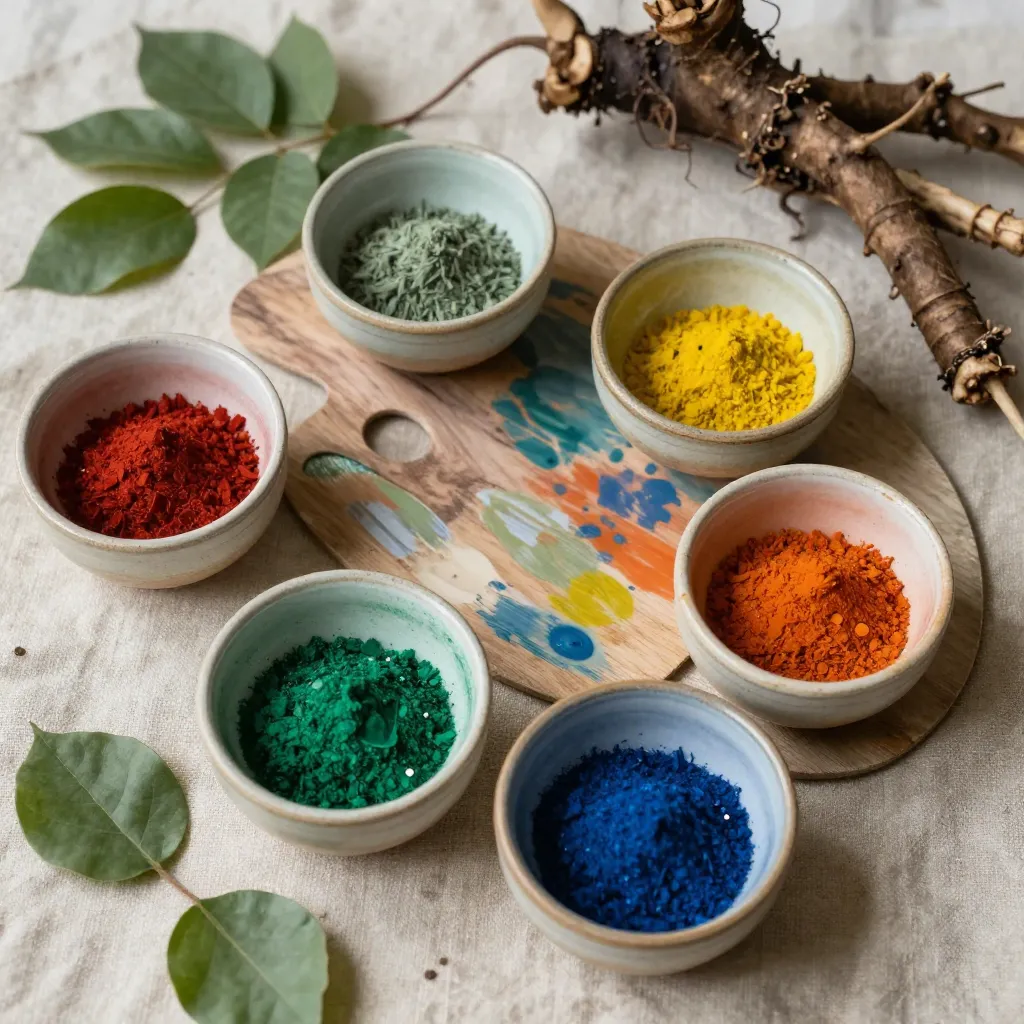
Curcuma longa
Cold water extraction yields vibrant yellows. Used in South Asian textile traditions. The curcumin compound provides intense color but requires protection from light to maintain vibrancy.
Extraction Techniques
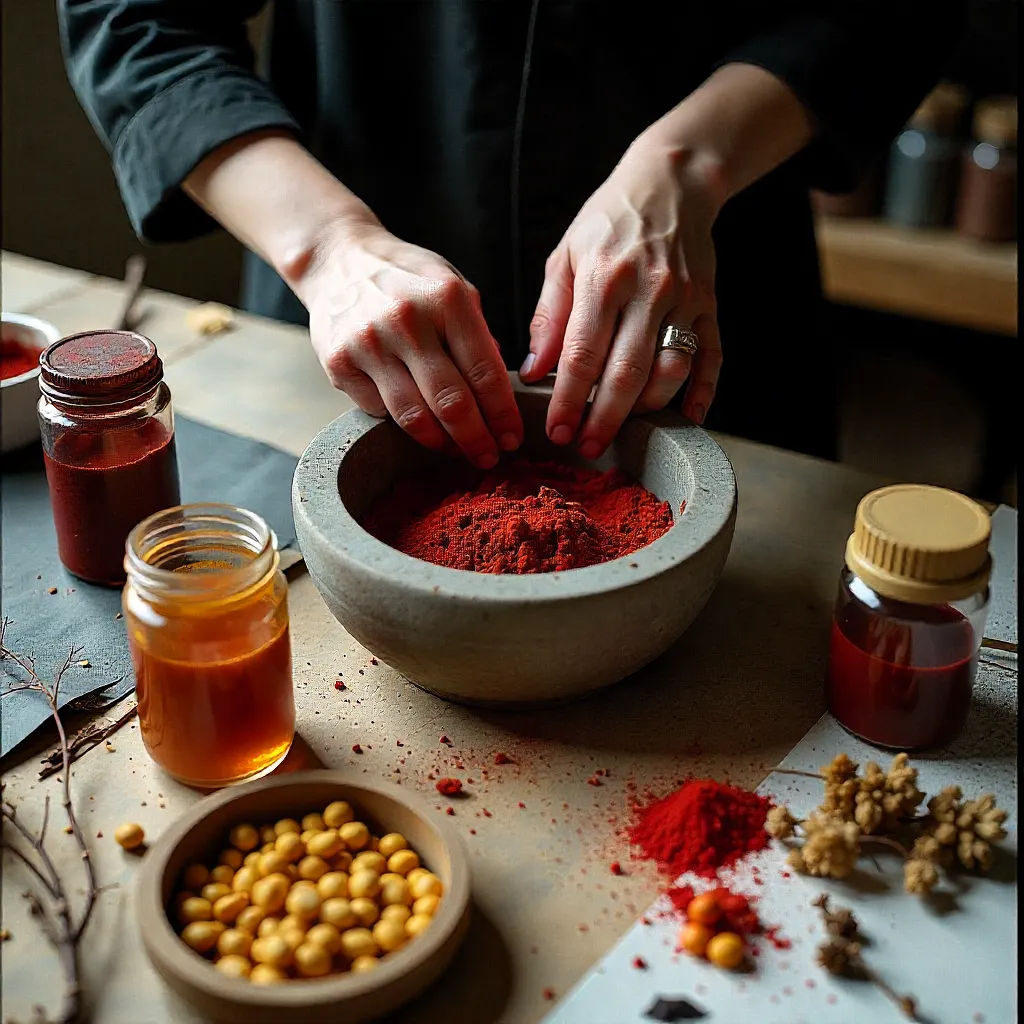
Cold Water Extraction
Gentle method preserving delicate color compounds. Suitable for flowers and soft plant materials. Requires longer soaking time but maintains subtle color nuances.
Simmer Dyeing
Traditional hot water method for roots, barks, and hard materials. Releases deeper, richer colors but requires careful temperature control to preserve color integrity.
Fermentation
Essential for indigo and some berries. Microbiological process transforms plant compounds into dye precursors, creating colors impossible through other methods.
Understanding Lightfastness
Lightfastness ratings indicate how well a color resists fading when exposed to light. Ratings range from 1 (poor) to 10 (excellent). Natural dyes vary widely in their lightfastness properties, with some colors historically prized for their permanence and others valued for their temporary beauty.
Learn Extraction Methods