Color Stories

Tales woven through centuries, told in every hue

Cultural Heritage in Color

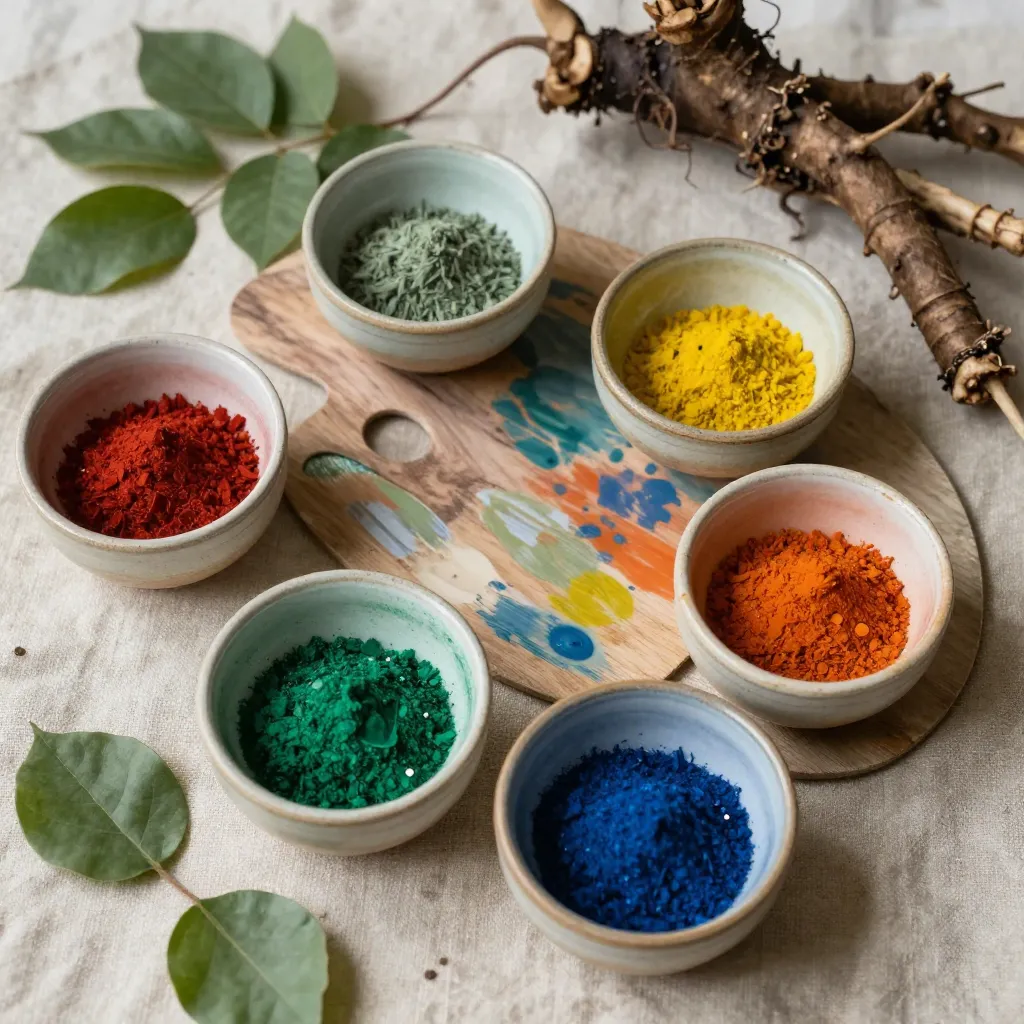
Each natural dye carries with it a rich tapestry of human history—traditions passed down through generations, trade routes that connected distant civilizations, and symbolic meanings embedded in cultural practices.

Indigo dye trade routes and historical textiles

The Indigo Routes

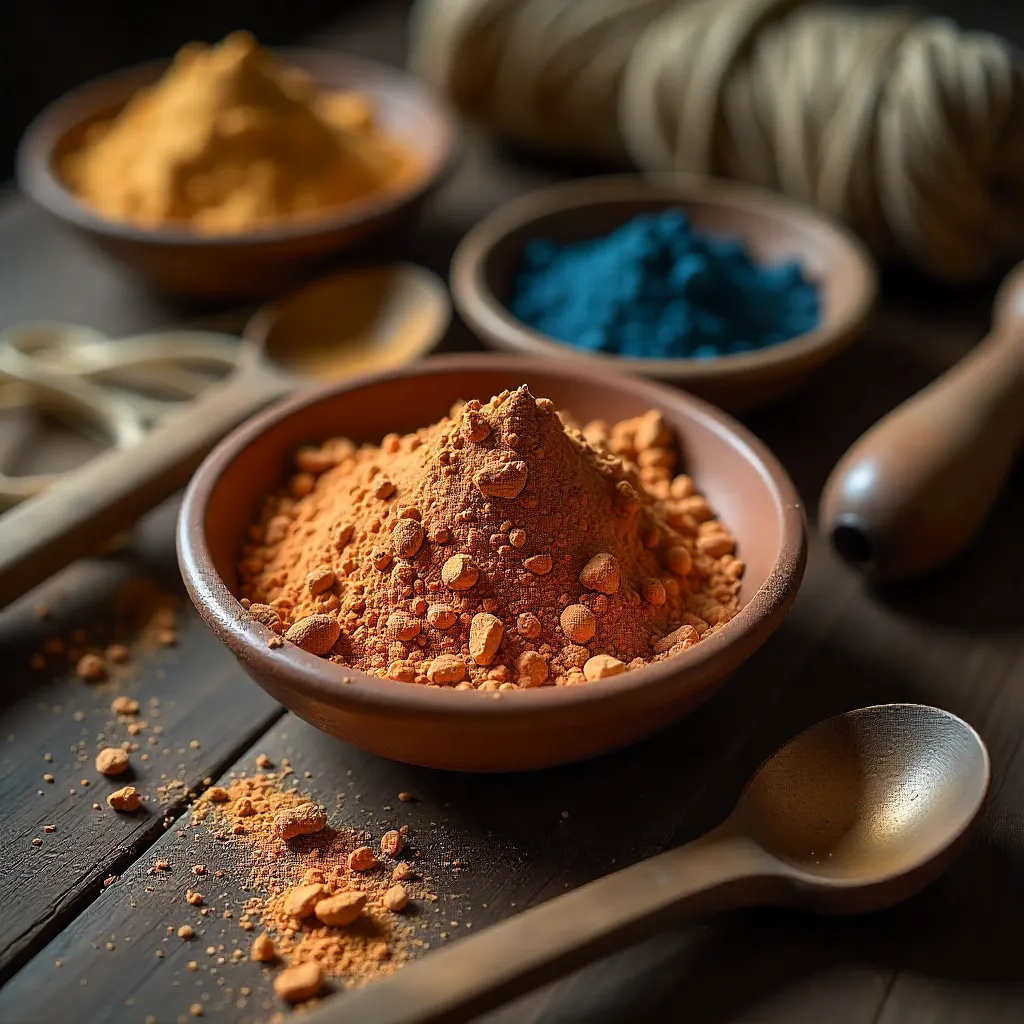
For over 5,000 years, indigo has traveled along trade routes connecting Asia, Africa, and Europe. Known as "blue gold," it was so valuable that merchants risked dangerous journeys to obtain it. From ancient Egypt's use in mummy wrappings to Japanese indigo (ai) traditions and West African adire techniques, indigo became a symbol of wealth, protection, and cultural identity across continents.

Indigo Deep Night
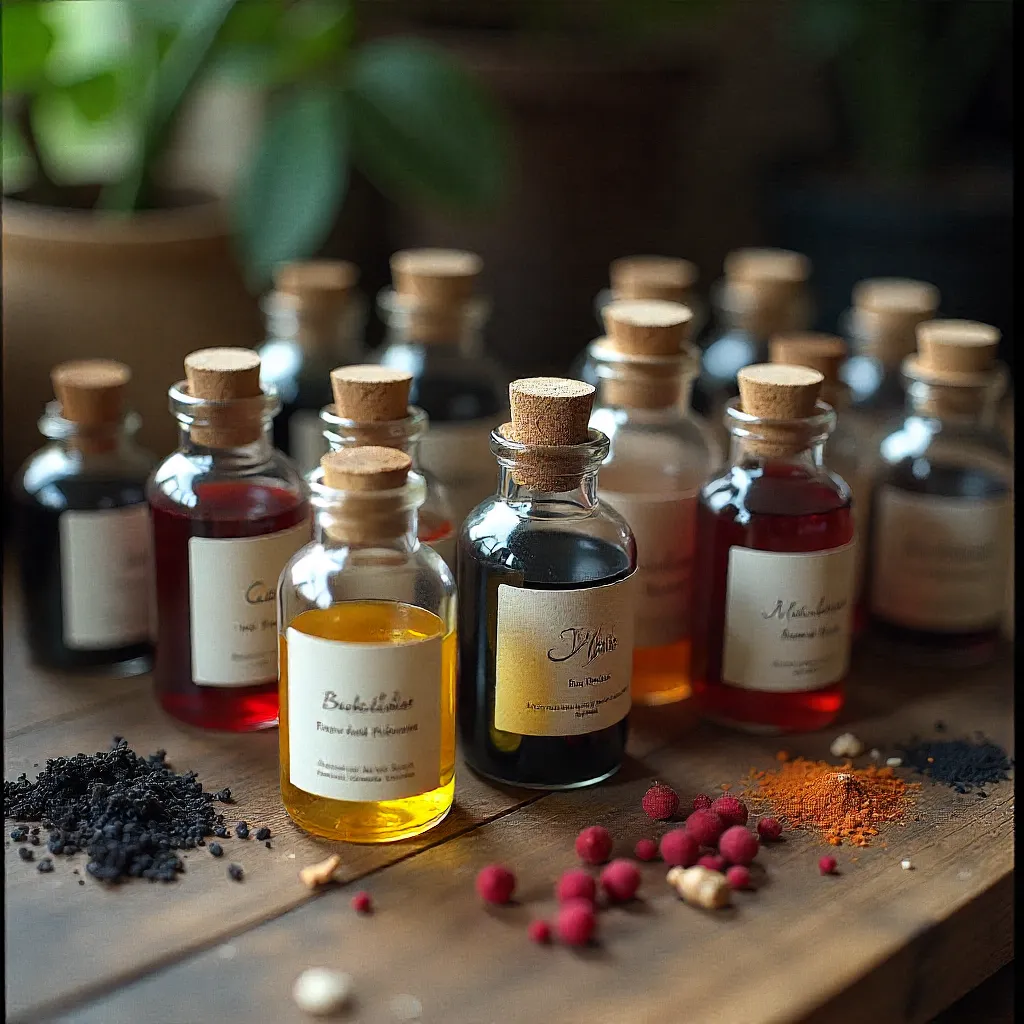
Medieval madder root dyeing and textile traditions

Madder's Medieval Reign

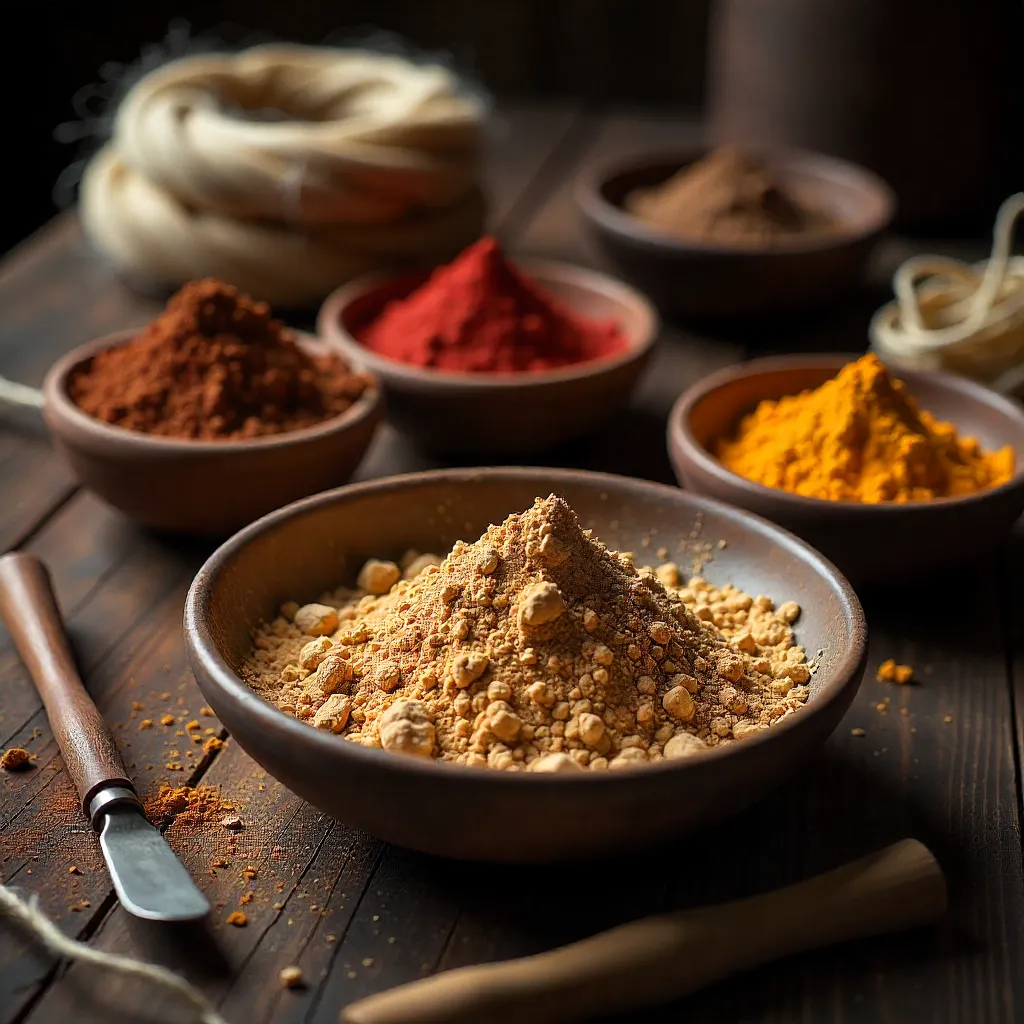
Madder root transformed European textile production during the medieval period. Grown extensively in regions like the Netherlands and France, madder produced the rich reds that colored everything from peasant clothing to royal garments. The famous "Turkey red" process, perfected over centuries, created colors so vibrant they became trade secrets. This crimson hue represented power, passion, and protection in European symbolism.

Madder Root Crimson
Weld and woad plant dyes in European traditions

Weld & Woad: European Classics

Weld (Reseda luteola) provided brilliant yellows for European textiles before synthetic dyes. Woad (Isatis tinctoria) produced blues rivaling indigo and was cultivated across medieval Europe, creating entire industries. The complex fermentation process for woad was so valuable that guilds protected the knowledge. These plants shaped regional economies and cultural practices, with yellow representing wisdom and blue symbolizing truth and stability.

Turmeric Gold Wash
Henna cultural traditions and ceremonial uses

Henna: Patterns of Celebration

Henna (Lawsonia inermis) transcends mere color—it's a living art form. From wedding ceremonies across South Asia and the Middle East to protective symbols in North African traditions, henna designs tell stories on skin. The plant's lawsone compound creates rich orange-red stains that deepen with time, making it perfect for temporary body art. Each pattern carries meaning, from fertility symbols to protective amulets, preserving cultural memory through botanical artistry.

Mulberry Ink Mist

Symbolism & Meaning

Colors as Language

Natural dyes have served as visual language across cultures. In many traditions, specific colors communicate social status, spiritual protection, life stages, and seasonal celebrations.

Regional Variations

The same plant can produce different symbolic meanings in different regions. Indigo may represent protection in one culture and mourning in another, showcasing how color meaning evolves within cultural contexts.

Preservation Through Practice

By continuing to use traditional natural dyes, we participate in preserving not just techniques, but the cultural knowledge and stories embedded in these practices.

Traditional dye patterns and cultural symbolism

Modern Revival

Today, artists and artisans worldwide are rediscovering natural dyes, blending traditional knowledge with contemporary applications. This revival honors the past while creating new possibilities for sustainable, meaningful color in modern art, fashion, and design. Each project using natural dyes becomes part of an ongoing cultural conversation spanning millennia.

Explore Plant Sources Join the Movement

Privacy & Cookies

We use cookies to enhance your browsing experience and analyze site traffic. By continuing to use our site, you consent to our use of cookies. Learn more